
Inspirations Magazine Behind the Scenes Part 2 | Instructions
7TH NOVEMBER 2025 - ASU #501
This week we’re continuing our multi-part series as we go behind the scenes to explore the different steps involved in creating each issue of Inspirations magazine.
In Part 1, we looked at some of the decision-making criteria that go into selecting projects for the magazine.
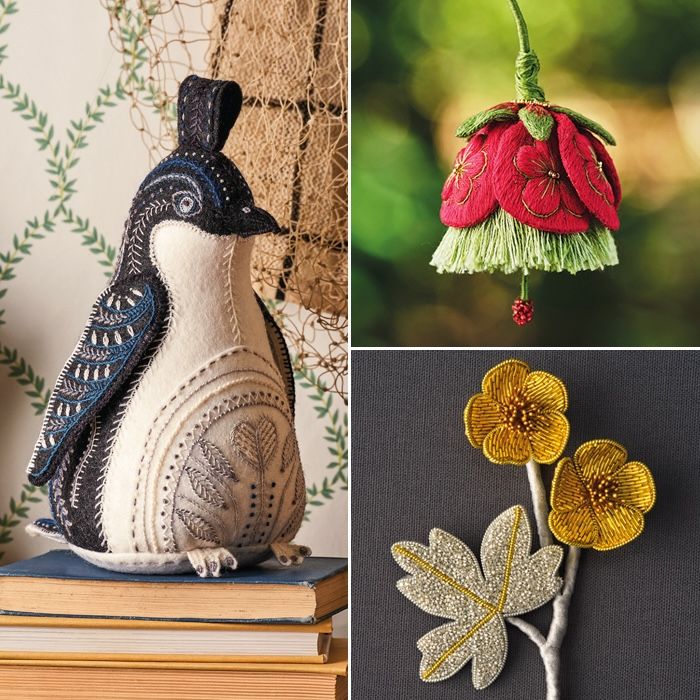
In Part 2, we walk you through our processes for creating the instructions for each project we publish.
Part 2 - The Instructions
As mentioned in Part 1, we rely on the designers we work with to provide a detailed list of all the materials they use, along with notes explaining how they created each element.
Inspirations magazine is blessed to work with needlework artists from all around the world, across different cultures, people groups, and even languages.
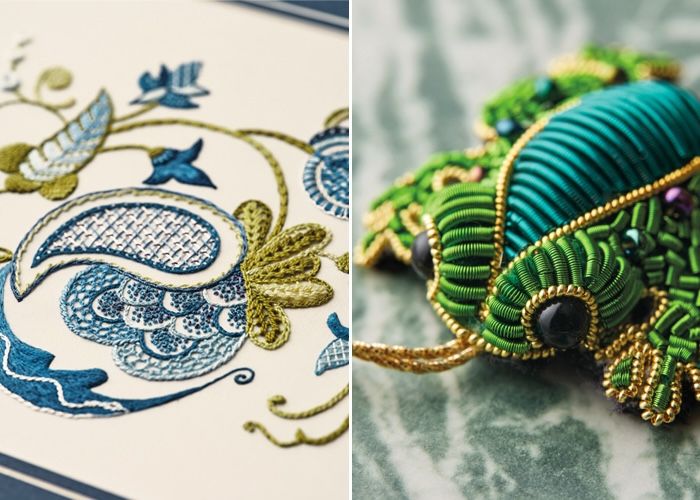
This incredible diversity results in a fabulous mix of designs and techniques, but it also means we receive a wide range of terminology and technical approaches when it comes to the supplied how-to documentation.
To ensure readers enjoy a consistent and familiar approach when reading our instructions, Inspirations has developed a proprietary method to standardise them - some may even call it ‘The Inspirations Way!’
One of the first steps in this standardisation process is to establish the list of threads, beads, and other materials used to complete the design, allocating each one a letter of the alphabet.
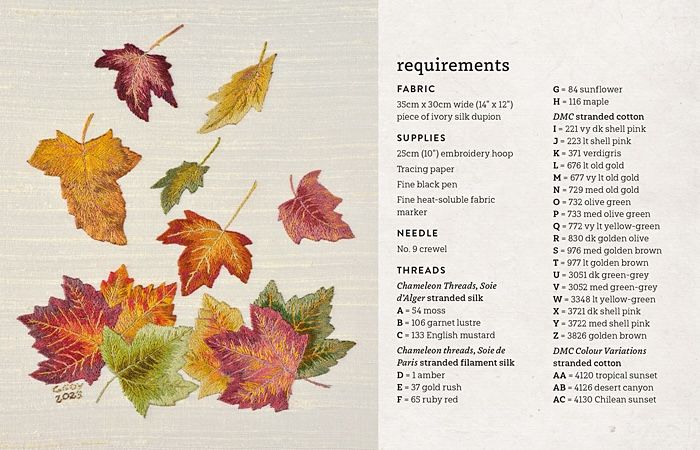
Alphabetising allows us to refine the information included in the text and reduces the amount of space required to indicate which thread is used where.
Each letter is bolded for clarity and listed alphabetically under the requirements list at the start of the instructions.
Some projects have a relatively short alphabet index, while others extend well beyond the first 26 characters and work their way through AA and even BA.
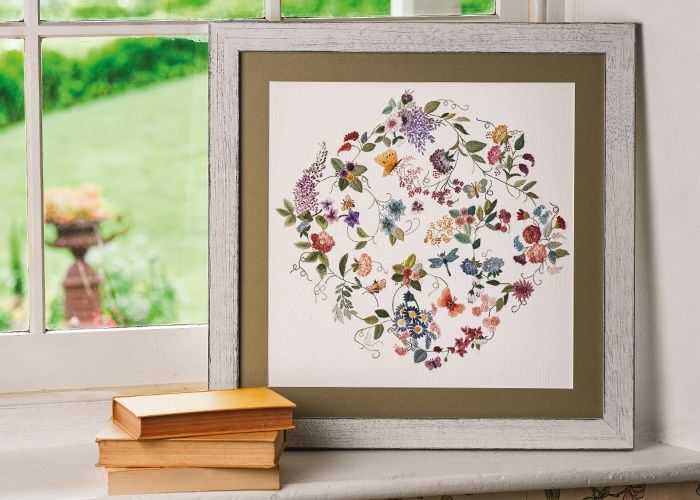
One such recent project was Nature’s Delight by Colleen Goy from Inspirations issue #119, which had a thread list spanning from A through to BR - a total of 70 different threads and beads!
This is a great example of where alphabetisation really helps reduce text, as it’s far more efficient to write ‘AE’ instead of ‘DMC 3024 vy lt Jacobean green’ or ‘BJ’ instead of ‘Kreinik blending filament 044 confetti blue’.
For projects with long alphabets such as this, we recommend making a copy of the list and keeping it with your threads for easy reference.
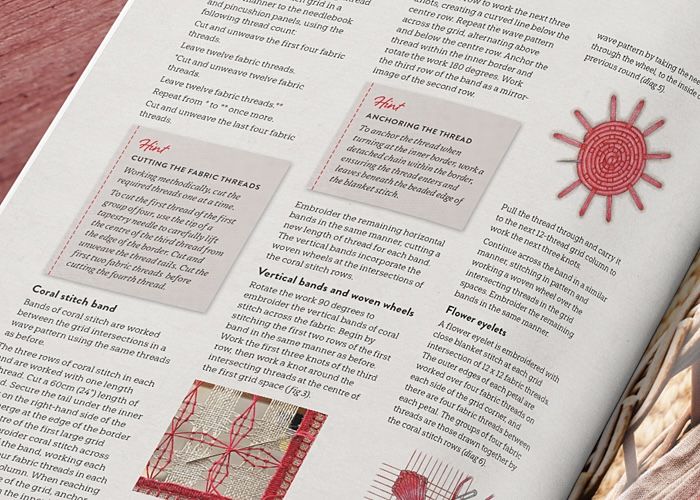
Once the requirements list is established, the instructional text is written - following a logical order, including all relevant information, and adding hints and notes as required.
Deciding how much information and exactly what hints or notes are needed is determined on a project-by-project basis.
Over the course of the 32 years that Inspirations magazine has been in publication, a mutual respect has developed between our readers and editorial team that helps guide when it’s appropriate to rely on assumed knowledge and when it’s not.
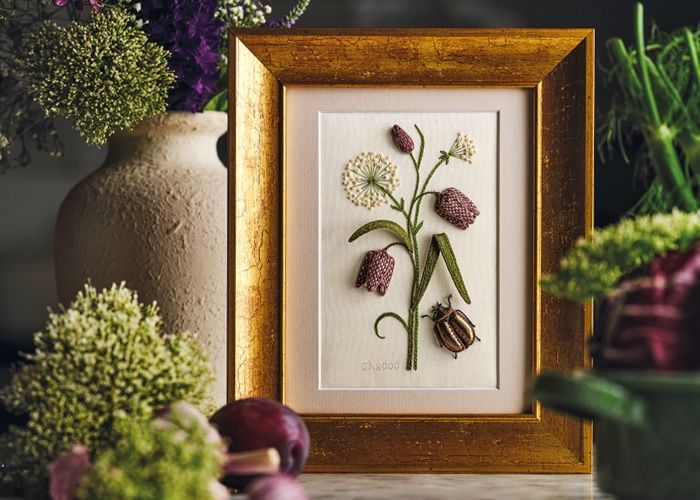
It’s fair to say that a percentage of projects we publish could be considered ‘advanced,’ and as such we tailor our approach to suit a more experienced stitcher.
Conversely, when we include a more beginner-friendly design, the degree of assumed knowledge is dialled down, and more foundational guidance is provided.
There are also times when a project uses a new or seldom-seen technique, or incorporates a unique approach, all of which may require additional explanation.
This is when our resident step-by-step expert, Ellaine Bronsert, gets involved to essentially reverse-engineer a specific element of the design, stitch it herself, and scan or photograph every step to create a tutorial.
She’ll do this for as many elements as required to ensure we’ve explained anything new or tricky adequately. Suffice to say, Ellaine is a very talented and highly skilled stitcher!
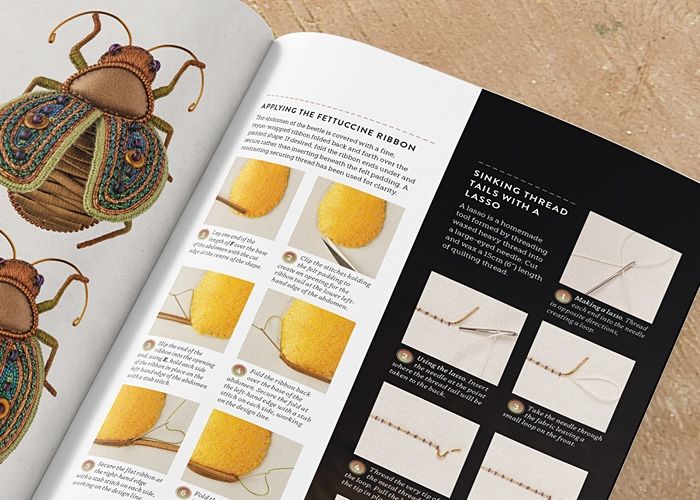
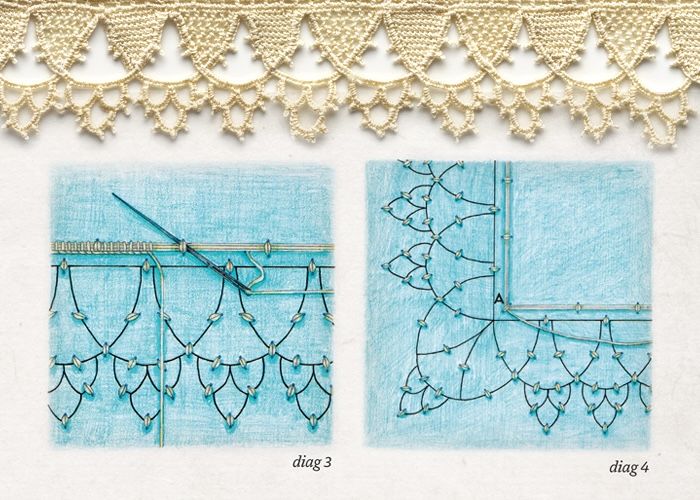
We also have a specialised illustrator on our team who supports both the written text and Ellaine’s photographic steps with hand-sketched diagrams.
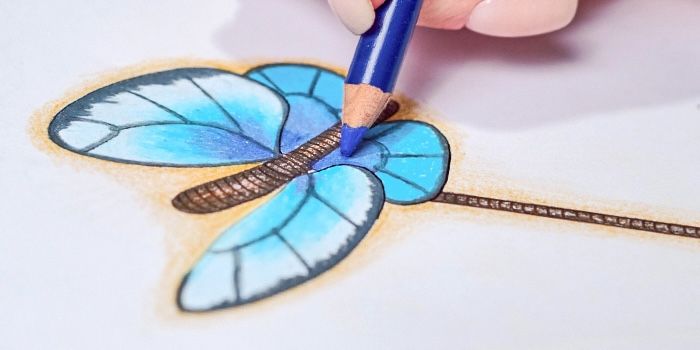
Diagrams are a great way to show how an element is created or assembled, and they can also offer a see-through perspective that can’t be achieved otherwise.
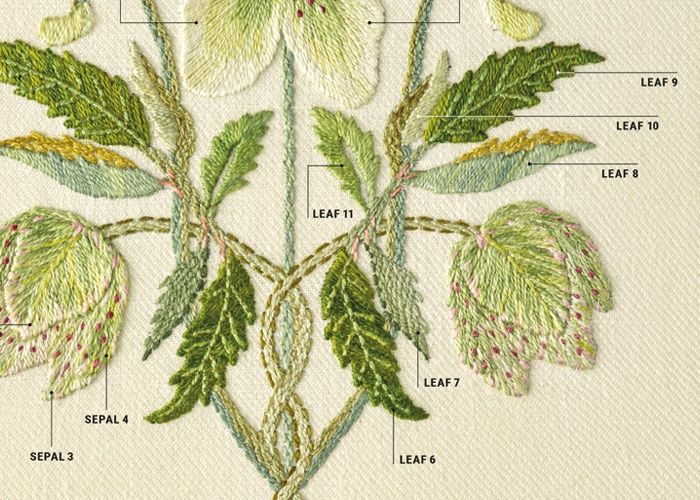
Another vital tool in The Inspirations Way of creating instructions is high-quality photography.
While you may think that using more words rather than less is better when writing instructions, the real art - whether for cooking, assembling furniture, or stitching - is finding the perfect balance: enough words to guide, but not so many that they overwhelm.
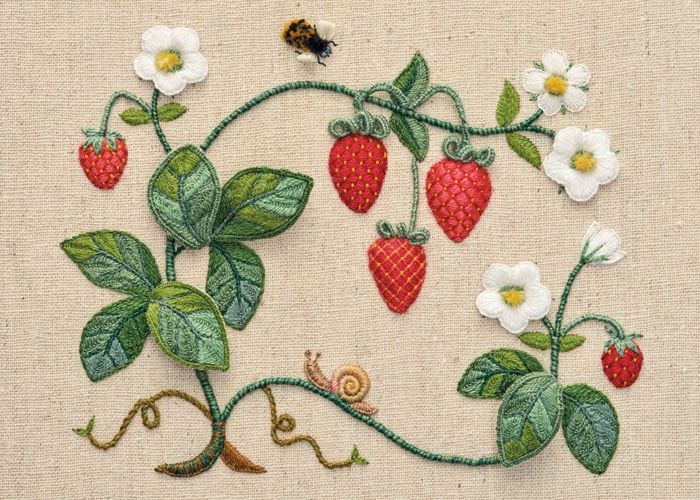
For that reason, we often rely on photographs to do some of the heavy lifting. This not only reduces the word count but also provides a level of clarity and detail that can’t be matched by words alone.
Once the alphabet is created, the text written, the step-by-step tutorials produced, the illustrations drawn, and the high-resolution photographs taken, the final element required to complete the instructions for the magazine is the line art used for the pattern sheets.
Not all projects reference the pattern sheet, but many do. Pattern sheets provide large-scale real estate that is lightweight and continuous.
They include outlines of the project designs for transferring onto fabric, detailed construction and finishing information, and in some cases, patterns for clothing.
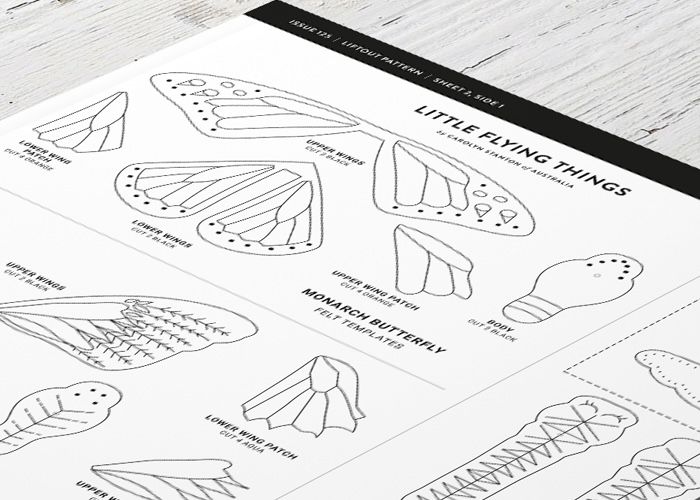
Pattern sheets are an essential tool for supplying information that’s too large to fit within the magazine pages, as well as providing additional space when working within page caps due to postage-related weight restrictions. (We’ll explain more about that another time!)
Once everything is complete, we take a step back to ensure that the information we provide achieves our primary objective:
To enable our readers to re-create the projects exactly as they appear in the magazine.
Occasionally, errors or omissions are discovered after a magazine has been released - something we try desperately to avoid. When this does occur, we publish a correction in the following issue and continually update our online Errata Page.
Before starting any project, we highly recommend checking the Errata Page on our website for any updates to the design that may apply.
Join us next week for Part 3 of Inspirations Magazine Behind the Scenes. In the meantime, if you’re not yet a subscriber, we’d love to have you join us.