
Inspirations Magazine Behind the Scenes Part 1 | Projects
31ST OCTOBER 2025 - ASU #500
In 1993, the needlework community was about to be introduced to a brand-new publication that promised to ‘showcase the world’s most beautiful embroidery’ and, in doing so, ‘inspire people to pick up a needle and thread’.
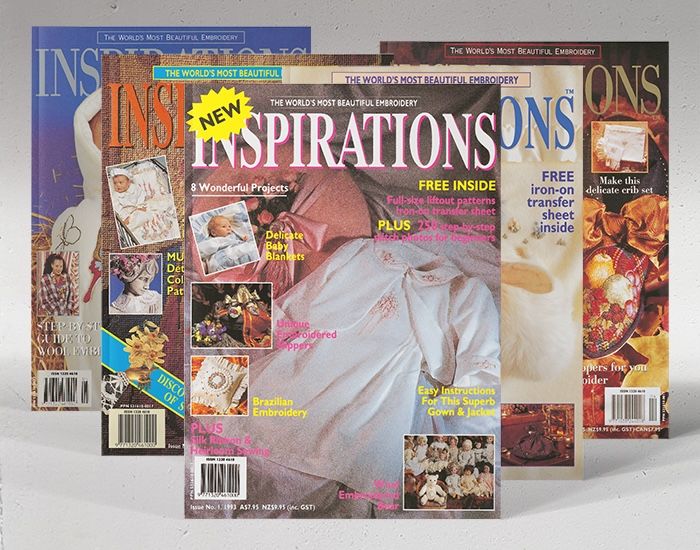
Little did anyone know at the time the monumental impact this magazine would go on to have.
Inspirations would not only achieve those goals unequivocally but also set the gold standard for needlework publications - a position it proudly maintains 33 years later and counting.
We can all attest to the rarity of longevity in many things these days. The modern world is full of wind-ups and closing downs, making way for start-ups and the latest and greatest.
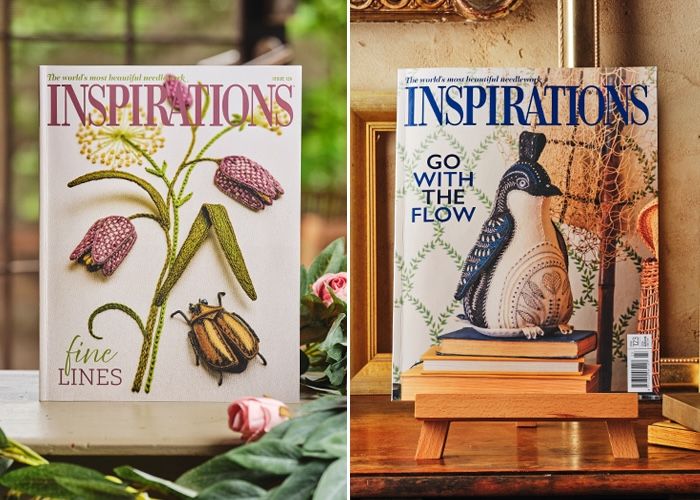
Yet Inspirations magazine has stood the test of time and continues the very legacy it was founded on, exactly as intended, decades later.
What is it about Inspirations magazine that has made it so successful?
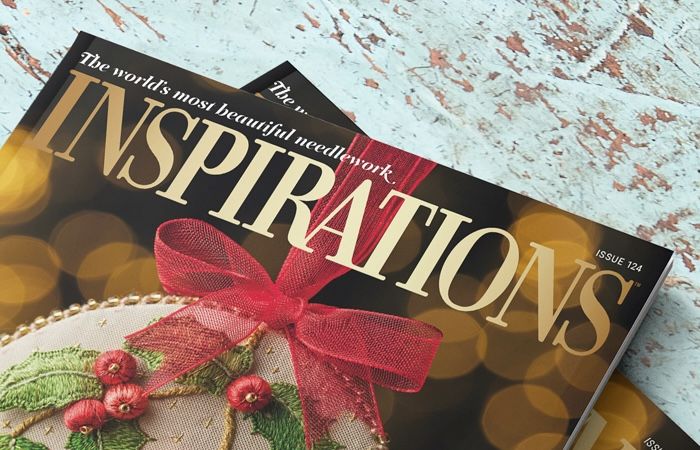
In this multi-part series, over the coming weeks we’ll explore the different steps involved in creating each issue of the magazine. As we take you behind the scenes, we’ll uncover some of the secrets that have enabled this remarkable publication to become the icon and guiding light we all know and enjoy today.
Part 1 - The Projects
Make no mistake - the real heroes of Inspirations magazine are the projects that are featured.
And for that matter, a creation cannot exist without a creator, so the spotlight is equally shared with the designers who bring these works to life, whose artistry earns its place beneath the banner ‘the world’s most beautiful needlework’.
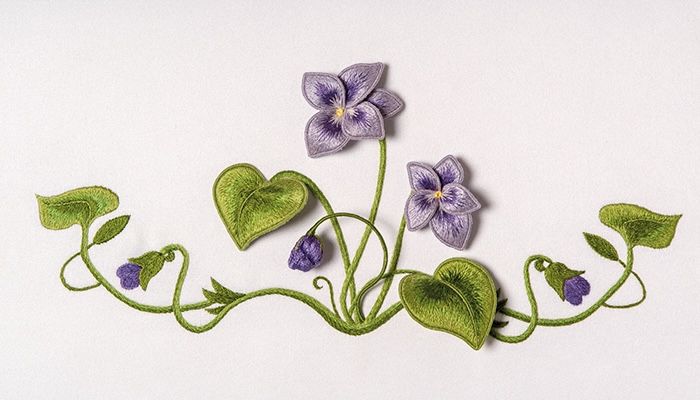
The planning process for every new issue of Inspirations magazine begins with the selection of its projects.
These are the foundation upon which each release is built - the genesis of every story we tell and every stitch we showcase.
So where do these projects come from, and how are they chosen?
Taking the lead in this integral process is our Editor-in-Chief, Susan O’Connor.
For many, Susan needs no introduction. Her tenure at the helm now spans more than 50 issues and is entering its 13th year. For those less familiar with her remarkable career, this article is a great place to begin.
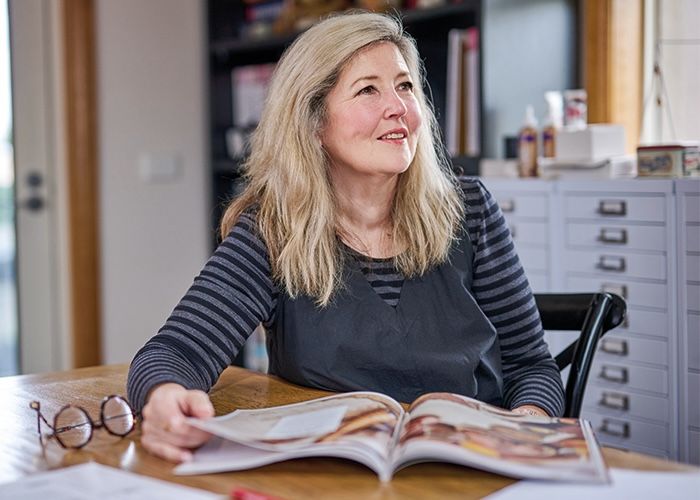
When Susan seeks out projects for Inspirations, her evaluation is multilayered. She considers desirability, aesthetic, technique, composition, materials, and - perhaps most importantly - the quality of information provided by the designer.
From the very first issue, Inspirations has been defined by a commitment to precision: every project is broken down into accurate, comprehensive, and easy-to-follow step-by-step instructions.
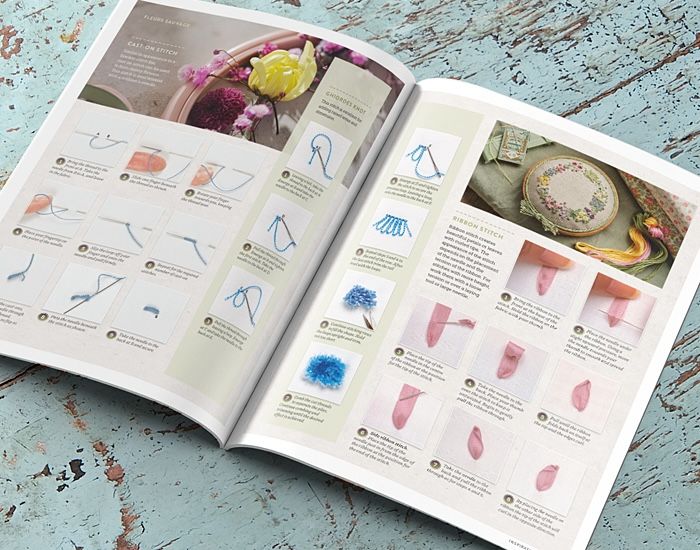
For us to achieve this level of user-friendly guidance for what are often quite complex designs, we rely on the designers to supply us a wealth of supporting information.
Not all designers find that part easy. Creating and stitching a design is one skill; recording every stitch, thread, and decision in a way that others can re-create the work is quite another.
That’s why so many of the designers we feature are not only gifted artisans but also accomplished tutors.That’s why so many of the designers we feature are not only gifted artisans but also accomplished tutors.
They’ve mastered the discipline of documentation - carefully noting each step in their progress, often taking photographs along the way and meticulously cataloguing every material they use.
At times, we receive submissions that show immense creative promise but lack the detailed notes or supporting materials we require. In such cases, even the most beautiful design may not be suitable for publication.
Another important consideration that has moved higher up the list in recent years is the availability of materials used in a project.
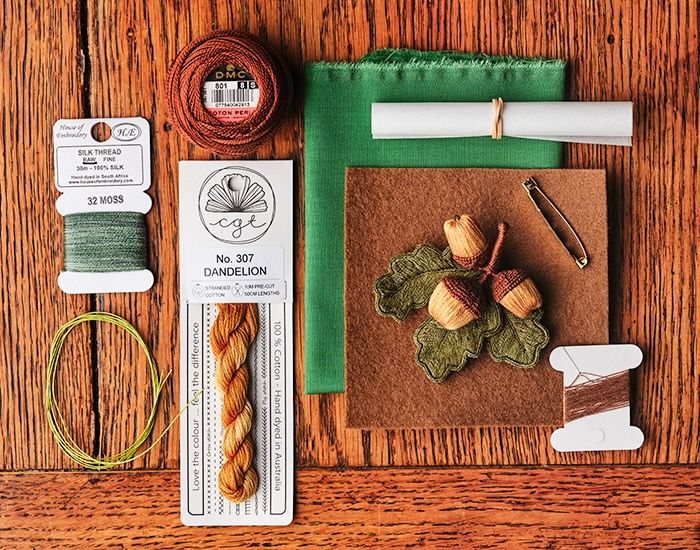
Often a designer will draw on threads, beads, ribbons, or fabrics from their own stash. However, as the global supply chain constantly shifts, what was once a readily available element may now be discontinued.
Depending on the prominence of a particular discontinued element within the design, unless a seamless substitute can be sourced, we’re often unable to publish the project. It’s really important to us to ensure that readers can re-create what they see.
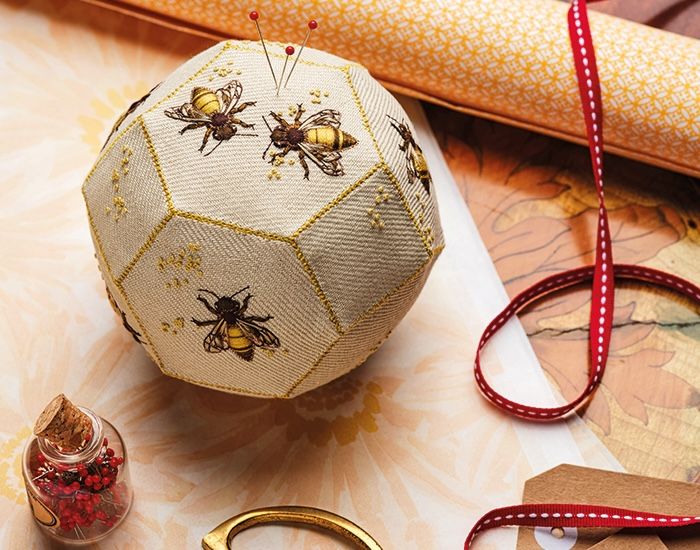
By now, you can probably get a sense of the narrow path Susan treads when seeking out suitable projects - and this is all before her selections are reviewed by the rest of the team for suitability!
In fact, on occasion, when we’ve found ourselves short on a project for an upcoming issue, Susan has been known to save the day by pulling out one of her own designs waiting in the wings - and in one instance, even stitching a brand-new design herself just to meet a deadline!
Thankfully, the global needlework community is rich with extraordinary talent, ensuring a steady flow of designs to inspire and delight.
We’re constantly adding new contributors to the mix, and some are even discovered through our What Are You Stitching? segment. It’s how Denise Forsyth, Martina Frank, and Nina Burnsides came to be featured in the magazine - they were all first spotted by our editorial team in an issue of All Stitched Up! and successfully went on to become published designers.
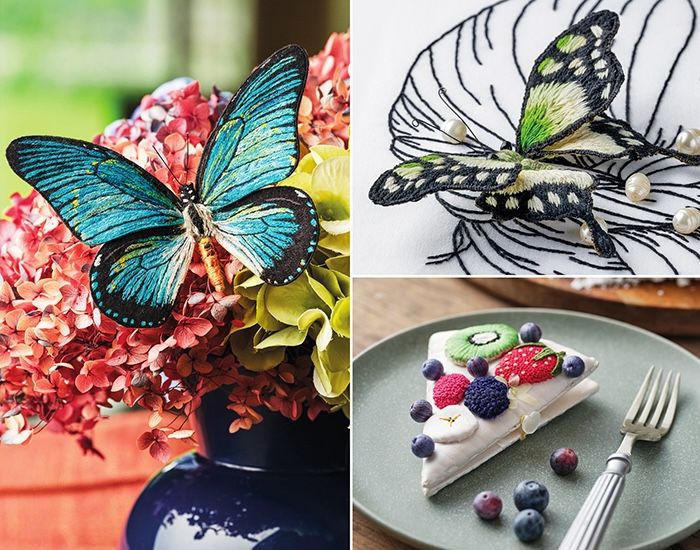
So, when you next read a copy of Inspirations magazine, take a moment to consider the journey each project has taken - the care, the discernment, and the collaboration - to make its way into your hands.
As a needlework community, it helps us to further appreciate and be thankful for the exceptional designers who not only create the world’s most beautiful needlework but also have the patience and skill to break down their masterpieces into achievable step-by-steps for us to re-create.
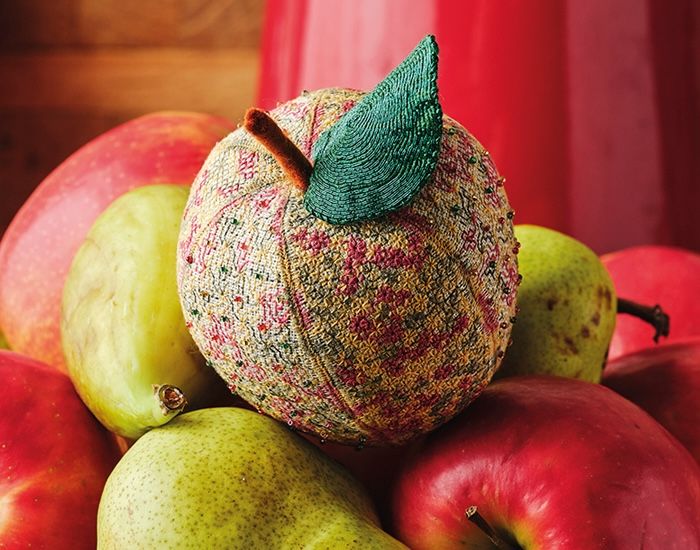
Their legacy reminds us, issue after issue, that together we truly make the world more beautiful, one stitch at a time.
Join us next week for Part 2 of ‘Inspirations Magazine Behind the Scenes’ and in the meantime, if you’re not yet a subscriber to the magazine, we’d love to have you join us.